Ten Checks. Zero Fluff. Total Clarity.

Insurance cover

Uncover Security Gaps in Minutes

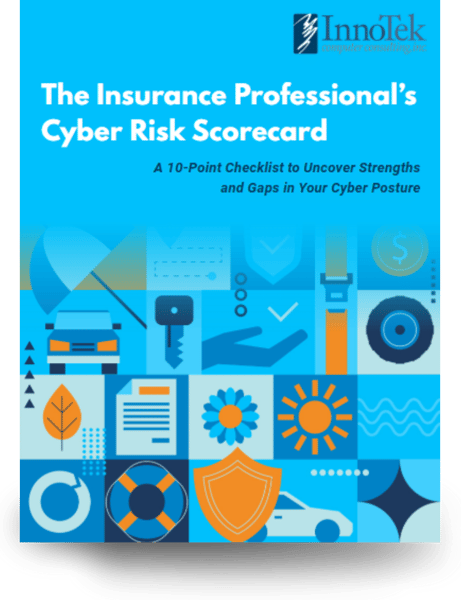
Reducing the likelihood of cyber incidents and avoiding costly claim denials starts with clarity. Our Cyber Risk Scorecard empowers insurance professionals to quickly identify gaps in security hygiene, that can lead carriers to reject claims due to negligence or policy exclusions 

This isn't about fear, it’s about foresight. By assessing your systems through 10 targeted questions, you gain actionable insight you can act on before underwriters do. 

Inside, You'll Find:

  • A structured 10‑question checklist: covering controls like MFA, incident response,  and more.

  • Underwriter-relevant framing: questions derived from standards used by leading carriers like Coalition

  • Fast takeaways: Check off where you can say yes, tally your score, and know exactly which areas to reinforce.

Ready to Turn Uncertainty Into Confidence? Start Here.

Hear From Other Professionals

Insurance icon

You Cover Your Clients, We'll Cover Your Tech

Whether you checked every box or found some areas for improvement, we're here to help. Reach out to us and we'll break down your "No" answers and why they matter, clarify whether your posture is at risk, and suggest improvements that could make the most impact moving forward. 

Frequently Asked Questions

Do insurance agencies really get targeted by hackers?

Yes. Agencies hold sensitive PII and client financial data, making them attractive targets. Studies show smaller organizations often get attacked precisely because they’re viewed as less defended.

Is having IT support enough, or do I need cybersecurity services?

Good IT is foundational, but cybersecurity services bring structure: MFA progression, incident response plans, phishing-resistant training, vendor risk oversight, and documentation. These are the controls underwriters look for when evaluating coverage .

How can I convince carriers I’ve done it right?

By providing proof: security logs, vendor contracts, training records, your incident response plan, email authentication settings, documented patch cycles, etc. These make your posture transparent and premiums more predictable.

What’s third-party/vendor oversight, and why does it matter?

It means vetting vendors who handle client or agency data by checking their contracts, security posture, and access limits. This shows underwriters you manage external risk, not just internal systems.

How do online security training and phishing drills help?

Human error contributes to nearly three-quarters of breaches. Consistent employee awareness training has been shown to reduce successful phishing attacks by over 70%.

Can cybersecurity tools improve my sales conversations?

Absolutely. Showing proactive posture through MFA, vendor vetting, training logs, and IR plans positions you as a trusted advisor. Clients and underwriters alike respond positively when you speak their language and show readiness.